Cheap carpet cleaning Kentish Town real quotes and risks
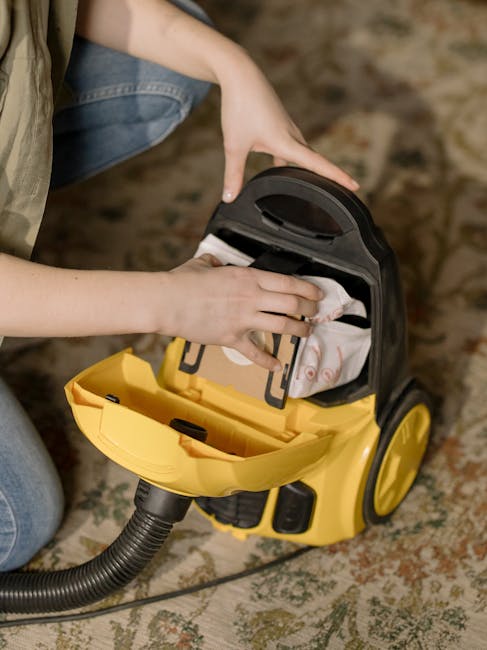
If you are comparing cheap carpet cleaning Kentish Town real quotes and risks, you are probably trying to answer two questions at once: what will this actually cost, and what can go wrong if you chase the lowest price? Fair enough. Nobody wants to overpay for a job that should be straightforward, but nobody wants a soggy carpet, a rushed clean, or a surprise add-on bill either.
This guide breaks down how pricing really works in Kentish Town, what makes a quote genuinely useful, and the hidden risks that often sit behind very cheap offers. You will also see how to compare methods, spot weak quotes, and decide whether the bargain is actually a bargain. In our experience, that bit of clarity saves far more money than a flashy low number ever does.
- Why cheap carpet cleaning and real quotes matter
- How the quoting and cleaning process works
- Key benefits and practical advantages
- Who this is for and when it makes sense
- Step-by-step guidance
- Expert tips for better results
- Common mistakes to avoid
- Tools, resources and recommendations
- Law, compliance, standards and best practice
- Options, methods or comparison table
- Case study or real-world example
- Practical checklist
- Conclusion
- Frequently asked questions
Why Cheap carpet cleaning Kentish Town real quotes and risks Matters
Carpet cleaning is one of those services where the price can look simple on the surface and turn messy very quickly. A cheap advert may look great until the cleaner arrives and starts adding charges for room size, stains, parking, fibre type, furniture moving, or extra drying products. Then the "cheap" job is not so cheap anymore.
That is why real quotes matter more than headline prices. A proper quote should give you enough detail to judge the value, not just the number. Ideally, it should explain what is included, what is excluded, and what could change the price on the day. If a quote is vague, the risk is usually on you.
Kentish Town adds a local twist too. Flats, converted houses, stairs, narrow entrances, and busy street parking can all affect access and timing. A cleaner who understands London logistics will usually price more honestly than someone who is guessing from a generic template. Truth be told, a proper quote often reflects real operational costs, not just marketing.
There is also the matter of trust. Carpet cleaning is done in your home, often around children, pets, or valuable furniture. The lowest quote means very little if the operator is uninsured, underprepared, or using the wrong chemicals for the fibre type. That can lead to staining, colour loss, sticky residue, or damp carpets that never quite feel right.
Expert summary: the cheapest quote is only worth considering if it clearly explains what is included, uses suitable methods, and does not hide risk behind vague wording. Cheap is fine. Unclear is not.
How Cheap carpet cleaning Kentish Town real quotes and risks Works
The process usually starts with a quick assessment. Some companies ask for photos, others take room details over the phone, and better operators may ask about fibre type, visible stains, pet issues, and access. That information helps them estimate labour time, equipment needs, and whether a simple hot water extraction clean will be enough or whether specialist stain treatment is needed.
Here is the practical reality: carpet cleaning prices are rarely based on carpet square footage alone. They are shaped by a mix of factors, such as:
- number of rooms or areas
- level of soiling
- stain removal requirements
- pet accidents or odour issues
- type of carpet fibre
- parking and access challenges
- drying expectations
- whether upholstery or rugs are being cleaned at the same time
A real quote should translate those variables into a clear price. If the cleaner says "from GBPX" but cannot explain what makes the price rise, you need to ask more questions. Ask early. It saves the awkward conversation later when the machine is already plugged in and the hallway smells faintly of cleaning solution.
Most cheap carpet cleaning services will use one of three broad approaches: basic steam or hot water extraction, low-moisture cleaning, or a quick surface refresh with limited detailing. The method matters because it influences cost, cleaning depth, drying time, and risk of residue. A lower price may be tied to a lighter process, not necessarily a better deal.
If you want to understand how a specialist service normally presents its work, it can help to look at the broader carpet cleaning service information and compare it with the details in the quote. That is where the real picture starts to emerge.
Key Benefits and Practical Advantages
Buying smart rather than merely cheap has a few clear benefits. The first is control. A detailed quote allows you to compare like with like, which is harder than it sounds. One company may include stain pre-treatment, while another quotes a lower number and charges extra when they arrive. Same service? Not really.
The second benefit is cleaner expectations. You know what the outcome is likely to be, how long it should take, and whether the carpet should dry in a few hours or most of the day. That makes a big difference if you are planning around work, school runs, or guests. Nobody wants to tiptoe around damp rooms by torchlight at 9pm.
The third benefit is damage reduction. Reputable cleaners use methods suited to the carpet, rather than assuming all textiles behave the same. Wool, synthetic blends, loop pile, and delicate rugs all have different needs. A careful quote often signals a careful technician.
Other practical advantages include:
- fewer surprise charges
- better stain and odour control
- more predictable drying times
- clearer responsibility if something goes wrong
- easier budgeting for landlords, tenants, and households
There is also a subtle but real value in peace of mind. If the cleaner has taken the time to assess your job properly, the whole appointment tends to run more smoothly. Less rush, less guesswork, less faff.
Who This Is For and When It Makes Sense
This topic matters to anyone trying to balance budget and quality, but it is especially useful for a few groups. Tenants often need an affordable clean before moving out. Landlords want results without overinvesting in a property that needs quick turnaround. Families may just want to freshen up rooms after winter, pets, or a spill-prone stretch of life. We have all had those weeks.
It also makes sense if you are dealing with a specific problem rather than a full deep clean. A coffee mark in one room, a pet accident in the hallway, or traffic grime near a front entrance can often be handled without paying for a whole-house service. A fair quote should reflect that.
On the other hand, going cheap makes less sense when the carpet is delicate, heavily stained, or expensive to replace. If you have a high-value wool carpet, deep pile runner, or a rug with dye sensitivity, the cost of a mistake can be far higher than the savings on the quote. Better to pause and ask a few extra questions.
You should also be cautious if you are choosing between carpet cleaning and other soft furnishing work. In many homes, the best value comes from combining tasks intelligently. For example, if your sofa and stairs both need attention, a bundled clean may be more efficient than booking each item separately. That is where pages such as sofa cleaning or upholstery cleaning become useful for planning, not just browsing.
Step-by-Step Guidance
If you want a realistic cheap quote without nasty surprises, use a simple process. It is not glamorous, but it works.
- List the areas to be cleaned. Count rooms, stairs, hallways, landings, rugs, or furniture pieces. Be specific.
- Describe the carpet condition. Mention visible stains, odours, pet issues, heavy wear, and any recent spills.
- Share access details. Narrow stairs, upper floors, limited parking, or difficult entry points can affect the quote.
- Ask what method is included. Hot water extraction, low-moisture cleaning, and spot treatment are not interchangeable.
- Ask what is extra. Stain removal, deodorising, furniture moving, parking, or same-day drying may carry additional costs.
- Compare final totals, not just starting prices. A lower base rate with many add-ons often ends up more expensive.
- Check whether the quote is fixed or estimated. A fixed quote is easier to trust if the details are clear.
A good habit is to ask for the quote in writing, even if the first discussion is by phone. That does not need to be formal or stiff. A clear message with the rooms, what is included, and the expected total is enough in most cases.
If you are unsure whether one cleaner is overcharging or another is undercharging, compare the wording. Vague wording is often a warning sign. A serious company is usually comfortable explaining the price line by line.
Expert Tips for Better Results
After years of hearing people say, "I went for the cheapest quote and it turned into a bit of a drama," a few patterns keep showing up. The good news is that they are avoidable.
First, ask about the fibre. A synthetic living room carpet is usually more forgiving than a wool hallway runner. If a cleaner cannot explain the difference in plain language, that is not ideal.
Second, ask about residue. Some cheap jobs leave carpets feeling slightly tacky because too much detergent was used or not enough was rinsed out. That can attract dirt faster. Not brilliant, really.
Third, watch the drying claim. "Dry in an hour" sounds lovely, but if the room is crowded, the carpet is thick, or humidity is high, that may not happen. A trustworthy cleaner will give a realistic range, not a fantasy.
Fourth, if stains matter, mention them before the booking. A quote based on ordinary soil can change a lot once pet urine, red wine, ink, or grease are involved. Better to be upfront.
Fifth, consider the full home, not just one carpet. If you are already booking a visit, you may find better value by adding a rug, mattress, or curtains where appropriate. For instance, a combined booking with rug cleaning or mattress cleaning can sometimes reduce repeat call-out costs.
One small human tip: take a photo of the carpet before the clean, especially if there is a stain you are nervous about. It is not paranoia. It is just sensible.
Common Mistakes to Avoid
The biggest mistake is assuming all "cheap" quotes are the same. They are not. One may include pre-treatment and deodorising; another may only cover a quick pass over the fibres. If you compare only the headline figure, you can make the wrong decision very easily.
Other mistakes crop up often:
- Not asking about hidden extras. Parking, stairs, and stain work can change the total.
- Choosing price before method. The wrong process can leave carpets over-wet or poorly cleaned.
- Ignoring insurance and safety. If something spills or gets damaged, you want to know who is responsible.
- Assuming all stains can be removed. Some marks are permanent or partially set. Honest cleaners will say so.
- Booking without checking the scope. "Two rooms" can mean very different things to different companies.
- Forgetting drying time. A bargain clean is less useful if the room stays damp all evening.
Let's face it, cheap quotes are easiest to love before the work starts. Once the cleaner is in the hall and the invoice is changing shape, the mood shifts. A little scrutiny up front avoids that awkward moment.
Tools, Resources and Recommendations
You do not need specialist equipment to compare quotes properly, but a few simple tools help. A smartphone camera, a notes app, and a basic room list are often enough. If you can, note carpet type, visible staining, and how long it has been since the last deep clean.
It also helps to prepare a quick comparison sheet with these headings:
- rooms or areas included
- method used
- stain treatment included or extra
- drying guidance
- furniture moving policy
- parking or access charges
- final quoted price
If you are comparing service pages, the pricing and policy pages can be useful for understanding how a company structures its work. For example, pricing and quotes is the kind of page that should clarify how estimates are built, while insurance and safety should help you judge whether the provider takes risk seriously.
For households with pet-related issues, a specialist approach may be worth checking too. A cheap general clean is not always enough if the source of the smell is deeper in the fibres or underlay. In those cases, pet stain odour removal can be more relevant than a standard surface refresh.
And if the issue is a persistent mark rather than a general clean, see whether the cleaner offers stain removal as a distinct service. That distinction matters more than people think.
Law, Compliance, Standards, or Best Practice
While carpet cleaning is not usually a heavily regulated trade in the way some technical services are, good practice still matters. In the UK, the basics you should care about are straightforward: clear pricing, honest descriptions, suitable equipment use, public liability insurance where appropriate, and safe handling of chemicals and machinery.
If a cleaner works in your home, they should be able to explain how they reduce slip risk, protect skirting boards and furniture, and deal with ventilation during drying. They should also be careful with electrical equipment and any solution that could irritate skin or pets. That is common sense, but common sense is worth checking.
You should also expect fair business behaviour. A quote should not be misleading, and terms should be visible enough for you to understand cancellation, payment, and complaints. If you want to know how a company handles disputes, a published complaints procedure is a good sign. Not glamorous, perhaps, but it tells you the business expects to be accountable.
Best practice also includes respecting privacy when collecting photos or details for a quote, being clear about payment methods, and avoiding pressure selling on the day. If you ever feel rushed into extras you did not agree to, pause. A decent provider will not need to strong-arm the job.
There is a practical side to sustainability too. Some customers care about how waste water, packaging, and cleaning products are handled. If that matters to you, a company's recycling and sustainability information can help you judge whether its practices match your expectations.
Options, Methods, or Comparison Table
Not every "cheap" carpet clean works the same way. The method affects price, drying time, and the kind of result you can reasonably expect. Here is a simple comparison.
| Method | Typical use | Pros | Risks or limits |
|---|---|---|---|
| Hot water extraction / steam cleaning | General domestic carpet cleaning and deeper soil removal | Good deep clean, widely used, effective on everyday dirt | Can over-wet carpets if rushed; drying time varies |
| Low-moisture cleaning | Quick turnaround spaces or lighter refresh work | Faster drying, useful where time is tight | May not lift heavy staining as well as deeper methods |
| Spot and stain treatment | Specific marks, traffic paths, accident spots | Targets problem areas directly | Not always enough on its own; some stains are permanent |
| Combined clean with rugs or upholstery | Whole-room or whole-home refresh | Often better value per visit | More moving parts, so the quote needs to be very clear |
If you are comparing options, do not just ask "which is cheapest?" Ask "which method suits my carpet and my timetable?" That question usually reveals a lot. And honestly, it saves you from buying a fast solution to a slow problem.
Case Study or Real-World Example
A typical Kentish Town scenario goes something like this. A tenant moves out of a two-bedroom flat with a pale carpet in the living room and hallway. They get one cheap quote over the phone and another more detailed quote by message. The first number is lower, but it excludes stairs, pretreatment, and any stain work. The second number is slightly higher, but it includes both rooms, stain attention, and a realistic drying estimate.
At first glance, the first quote looks like a win. But once access, add-ons, and the moving-out deadline are considered, the picture changes. The tenant is less interested in "cheap" and more interested in "done properly, on time, and without a dispute." Very different thing.
Now imagine the same job with a pet issue near the hallway. The cheapest cleaner may treat it as ordinary soiling and finish quickly. The better option asks whether the smell is recent, whether the pad may be affected, and whether odour treatment is needed. That extra question can save a lot of bother later.
That is the broader lesson: the right quote is not the one with the smallest number, but the one that describes the work honestly. Sometimes the middle quote is the best value. Sometimes the cheapest one really is fine. But only if it is properly defined.
Practical Checklist
Use this checklist before you book. It takes a few minutes, which is better than spending the evening annoyed.
- Have I listed all rooms, stairs, rugs, or furniture needing cleaning?
- Did I describe stains, pet issues, or odour problems clearly?
- Do I know which cleaning method is being used?
- Have I asked what is included in the price?
- Did I ask about extra charges for access, parking, or stain treatment?
- Is the quote written down and easy to understand?
- Do I know the expected drying time?
- Is the provider clear about insurance and safety?
- Do I understand the payment terms?
- Have I compared the total value, not just the headline price?
If you can tick most of those boxes, you are already ahead of the average buyer. That sounds a bit blunt, but it is true.
Conclusion
Cheap carpet cleaning in Kentish Town can absolutely make sense. The key is to separate a genuinely good-value quote from one that simply looks low at first glance. Real quotes are detailed, transparent, and based on the actual job in front of the cleaner. Risky quotes are vague, rushed, and full of "extras" that only appear after the machine is already on site.
If you remember nothing else, remember this: compare the scope, not just the price. Ask what is included, ask what could change, and ask how the carpet will be treated. A proper quote protects your carpet, your budget, and your time. That is the real win.
Get a free quote today and see how much you can save.
And if you are still weighing things up, that is okay. A careful choice now is often the cheapest choice in the end.
Frequently Asked Questions
How do I know if a carpet cleaning quote is genuinely cheap or just incomplete?
A genuine cheap quote is still clear about what is included. If the price looks low but the cleaner cannot explain the method, room count, stain treatment, or extra charges, it is probably incomplete rather than competitive.
What should a real carpet cleaning quote include?
It should normally cover the areas to be cleaned, the method used, any pre-treatment, expected drying guidance, and any extras such as stain work, parking, or furniture moving. The more specific the quote, the easier it is to trust.
Why do cheap carpet cleaning prices vary so much in Kentish Town?
Prices vary because homes differ in access, parking, room size, soil level, fibre type, and the amount of stain or pet work involved. London logistics can also affect time and transport, which changes the overall cost.
Is the cheapest carpet cleaning always a bad idea?
Not always. A low price can still be good value if the quote is detailed and the service is suitable for your carpet. The problem is not cheapness itself; the problem is hidden risk and vague scope.
What are the main risks of choosing a very cheap cleaner?
The main risks are poor cleaning results, over-wetting, sticky residue, surprise charges, weak stain treatment, and limited accountability if something goes wrong. In some cases, the carpet can actually look worse after the clean.
How long should carpet cleaning take?
That depends on the size of the job and the method used. A small clean may be fairly quick, but larger jobs or deeper stain work take longer. A trustworthy cleaner should give a realistic time estimate rather than a guess.
Will all stains be removed?
No. Some stains are permanent, set into the fibre, or caused by dyes and chemicals that have already changed the carpet. Honest cleaners will explain that up front rather than promise miracles. To be fair, nobody should promise miracles.
Do I need to move furniture before carpet cleaning?
Sometimes yes, sometimes no. It depends on the company's policy and the furniture type. Always ask in advance so you do not end up shifting heavy items on the morning of the appointment.
How can I compare two quotes properly?
Compare the total price, what is included, what is extra, the method used, expected drying time, and whether the quote is fixed or estimated. If one quote is cheaper but includes less work, it may not actually be better value.
Is steam cleaning better than low-moisture cleaning?
Neither is universally better. Steam or hot water extraction is often strong for deeper cleaning, while low-moisture methods can be useful where drying time matters. The right choice depends on the carpet, soil level, and your priorities.
Should I ask about insurance and complaints before booking?
Yes, absolutely. Insurance matters if something gets damaged, and a complaints procedure shows the business has a process for resolving problems. It is a small detail that says a lot about professionalism.
Can I bundle carpet cleaning with other services to save money?
Often, yes. If you need a sofa, rug, mattress, or upholstery cleaned as well, bundling can reduce repeat call-out costs and improve overall value. Just make sure each item is clearly listed in the quote.
What is the safest way to get a cheap but reliable clean?
Give the cleaner accurate information, ask for a written quote, check what is included, and compare final totals rather than headline prices. That simple approach avoids most of the usual pitfalls.