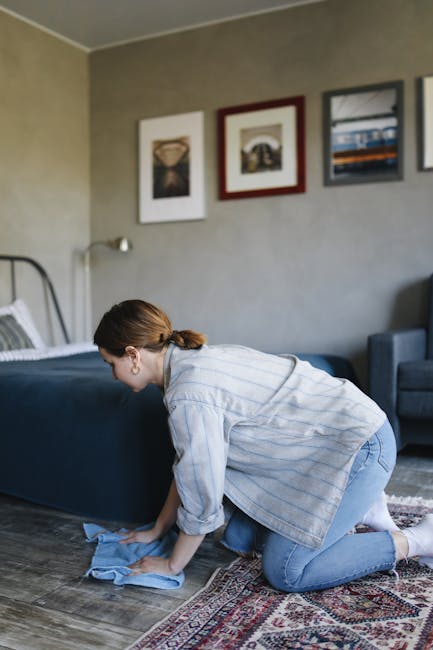
Emergency rug cleaning near Kentish Town Forum
If a drink spills during a busy evening, a pet has an accident, or muddy shoes track across a favourite rug, the clock starts ticking. With emergency rug cleaning near Kentish Town Forum, the goal is simple: reduce damage quickly, protect the fibres, and stop a small mess turning into a permanent one. Truth be told, rugs can look forgiving from a distance and still be absorbing liquid underneath.
This guide explains what urgent rug cleaning involves, how it works in a real Kentish Town setting, and what to do in those first few minutes before a professional arrives. You'll also find practical tips, a comparison of methods, a checklist, and answers to the questions people most often ask. If you want broader service context, the services overview and the local carpet cleaning in Kentish Town pages are useful starting points.
Table of Contents
- Why emergency rug cleaning near Kentish Town Forum matters
- How emergency rug cleaning near Kentish Town Forum works
- Key benefits and practical advantages
- Who this is for and when it makes sense
- Step-by-step guidance
- Expert tips for better results
- Common mistakes to avoid
- Tools, resources and recommendations
- Law, compliance, standards, or best practice
- Options, methods, or comparison table
- Case study or real-world example
- Practical checklist
- Conclusion
- Frequently asked questions
Why Emergency rug cleaning near Kentish Town Forum Matters
A rug is not just a decorative layer. It can be wool, synthetic, cotton, silk-blend, jute, or a mixed-fibre piece with dyes that react very differently to water and cleaning agents. Near Kentish Town Forum, where homes, flats, shared spaces, and small commercial venues often see high foot traffic, that variety matters. A late-night spill after an event, a coffee knock during a morning rush, or winter grime dragged in from the street can all set into a rug faster than people expect.
The reason emergency cleaning matters is not just appearance. Moisture can spread through the backing, stains can oxidise, and odours can deepen if they are left alone. On a patterned rug, a stain might even hide briefly before resurfacing once the area dries. Annoying, yes. But common.
There is also the practical side. If a rug sits in a living room, hallway, studio, or rental property, it can affect the whole impression of the space. For landlords and tenants, a quick response can help avoid longer-term damage and awkward deposit disputes. For homeowners, it can mean saving a rug that has real sentimental value. And if you are near the Forum before or after an event, speed matters because footfall, drinks, and weather all increase the odds of an accident.
For people comparing options locally, it helps to understand the wider cleaning picture too. Some situations are better handled alongside upholstery cleaning in Kentish Town, especially if a sofa or armchair was affected at the same time. A spill rarely stays politely in one place.
How Emergency rug cleaning near Kentish Town Forum Works
Emergency rug cleaning is usually a faster, more focused version of standard rug care. The aim is to stabilise the problem first, then remove residue safely. A good cleaner will not simply blast the rug with water and hope for the best. That would be, to be fair, a bit reckless.
The process often starts with identification. The cleaner checks the fibre type, dye stability, construction, and extent of the spill. Wool rugs, for example, often need gentler temperature control and careful pH-balanced products. Synthetic rugs may tolerate more aggressive extraction, but they still need proper testing before treatment.
Next comes inspection and spot testing. This is where the technician looks at the stain source: food, drink, pet urine, mud, ink, wine, cosmetic product, or something else. Different contaminants behave differently. A food stain may respond to enzymes or specialist detergents, while a greasy mark may need a solvent-led approach. If the rug has a fringe or natural backing, those details matter too.
Then comes stabilisation. That may involve blotting excess liquid, controlled rinsing, targeted pre-treatment, or gentle absorption. In many cases the cleaner will use a portable extraction machine or low-moisture system, depending on the rug and the access conditions. In flats near Kentish Town Forum, access can be tight, so equipment choice is not just technical. It is practical.
Drying is the final key stage. A cleaned rug should not be left damp and forgotten in a corner. Good airflow, dehumidification where appropriate, and careful positioning all help prevent lingering smells and fibre distortion. If a rug dries unevenly, you can end up with watermarking or a stiff patch that looks worse than the original spill. Lovely.
If you want to learn more about how local cleaning services are structured, the about us page gives a sense of the company approach, while the insurance and safety page is useful for understanding risk and reassurance.
Key Benefits and Practical Advantages
Fast rug cleaning is not only about saving time. It can protect the rug's structure, improve hygiene, and reduce the need for replacement. And that last part matters more than people think. Good rugs are expensive, even the ones that look casual.
- Better stain control: The sooner treatment begins, the more likely the stain can be lifted rather than locked in.
- Odour reduction: Prompt cleaning helps stop smells from settling into the backing or underlay.
- Fibre protection: Correct methods reduce the chance of pile distortion, shrinkage, or colour bleed.
- Hygiene improvement: Spills can attract bacteria or encourage mildew if moisture remains trapped.
- Cost avoidance: Cleaning is usually cheaper than replacing a damaged rug, especially for larger or handmade pieces.
- Less disruption: A proper emergency response gets the room back to normal faster, which matters in busy households and commercial settings.
There is also a confidence benefit. Once you know what to do, the situation feels less chaotic. You stop panicking and start acting. That matters at 10:30pm after a party or first thing on a rainy Tuesday, when you are already rushing out the door. A calm process makes a messy moment manageable.
Expert summary: For urgent rug problems, the best result usually comes from a quick first response, correct fibre identification, careful testing, and controlled drying. Speed helps, but method is what saves the rug.
For households and businesses that want a broader cleaning routine around the incident, the local domestic cleaning service and house cleaning options can be useful alongside rug treatment, especially after a bigger clean-up.
Who This Is For and When It Makes Sense
Emergency rug cleaning makes sense for anyone dealing with a fresh spill, but certain situations benefit especially from a fast response.
Common situations
- Wine, coffee, tea, juice, or food spilled on a living room rug
- Pet accidents that soak through to the backing
- Mud and rainwater brought in after a wet commute
- Make-up, paint, candle wax, or ink marks
- Smoke or food odours after a gathering
- Stains on a rug in a rental property before check-out or inventory photos
- Public-facing spaces near Kentish Town Forum where presentation matters quickly
There are also subtle triggers. Maybe the rug is not visibly ruined, but it feels tacky underfoot or smells slightly sour by the next morning. That is a sign not to wait. If moisture is trapped, bacteria and odour can develop even when the surface looks fine. A lot of people leave it too long because the rug still "looks okay". Then the problem gets more stubborn.
Tenants, landlords, Airbnb hosts, event organisers, small offices, and family households all have different needs. For example, if you are preparing a flat after guests or an event, rug cleaning may need to sit alongside end of tenancy cleaning in Kentish Town. If the issue is in a workspace or reception area, office cleaning may be part of the bigger plan.
Step-by-Step Guidance
If you are dealing with a rug emergency right now, the first few minutes count. Here is the practical sequence that gives you the best chance of a good result.
- Stop the source: Move the drink, remove the pet, or clear the item causing the mess.
- Blot, do not rub: Use clean white towels or plain paper towels and press gently from the outside in.
- Keep liquids from spreading: Work around the stain's edge before touching the centre. That helps prevent a bigger ring.
- Lift loose solids carefully: Scrape food or debris with a spoon or dull knife, but do not grind it deeper into the fibres.
- Protect the backing: If safe to do so, place absorbent towels under part of the rug edge to reduce soak-through.
- Avoid random chemicals: Do not mix household products. Bleach and vinegar, for example, are not a fun combination. Not remotely.
- Test a small area if cleaning at home: Always patch-test a product on a hidden section first.
- Call a specialist if the stain is large, greasy, coloured, or on a delicate rug: Handmade, wool, antique, or silk-blend rugs should be treated with extra caution.
- Allow proper drying: Position the rug safely with airflow and avoid placing furniture back too soon.
If you are looking for the right next step, the local pricing and quotes page is helpful for understanding how estimates are usually handled. Clear expectations make the whole thing less stressful.
Expert Tips for Better Results
Small decisions make a big difference with rug cleaning. In our experience, the people who get the best outcome usually avoid panic and focus on control. That sounds obvious. Still, when a spill happens, people often do the opposite.
- Use white towels only: Coloured cloths can transfer dye, especially on damp fibres.
- Work from the outside edge inward: This helps avoid enlarging the stain.
- Check the rug backing: A stain that reaches the underside needs more than a surface clean.
- Watch for colour bleed: Bright reds, blues, and hand-dyed rugs can react quickly to moisture.
- Use airflow, not heat blasts: Strong heat can set some stains or warp fibres.
- Keep pets and shoes off the area while it dries: Sounds simple, but it prevents fresh contamination.
- Take a photo before cleaning: Useful for insurance, landlord records, or simply tracking what changed.
A small but important point: if the rug is wool, natural-fibre, or antique, less product is often better than more. People tend to over-apply cleaner because they want a quick fix. Yet saturation is exactly what creates longer drying times and residue problems. A careful clean, done properly, usually wins.
If you want trusted information about business practices and access to support pages, you can also review the site's payment and security information and terms and conditions. Not glamorous, but useful. Very useful, actually.
Common Mistakes to Avoid
Some rug disasters start with the spill. Others start with the response. Here are the mistakes that cause the most unnecessary damage.
- Rubbing hard: This pushes the spill deeper into the pile and can fray delicate fibres.
- Using too much water: Excess moisture can spread the stain and slow drying.
- Applying bleach or strong stain removers casually: These can damage dyes and weaken fibres.
- Ignoring the smell: Odour is often a sign that moisture remains below the surface.
- Using a domestic vacuum on a wet rug: Not suitable, and it may create more problems.
- Waiting until the stain is fully set: This reduces the chance of full removal.
- Putting furniture back too early: That can leave marks or trap damp areas underneath.
Anecdotally, one of the most common issues is people checking the rug only in bright daylight and assuming the job is done because the stain faded. Then the room lights come on that evening and there it is again, faint but stubborn. Annoying little ghost of a spill. Best to deal with it properly the first time.
Tools, Resources and Recommendations
You do not need a full professional kit to manage the first stages, but having a few sensible items close by helps a lot.
| Item | Why it helps | Best use |
|---|---|---|
| White cotton towels | Absorb liquid without dye transfer | Blotting fresh spills |
| Paper towels | Quick initial absorption | Immediate spill control |
| Spoon or blunt scraper | Removes solids safely | Food, mud, or debris |
| Fan or dehumidifier | Speeds drying | After spot treatment or extraction |
| Soft brush | Restores pile direction gently | After cleaning and drying |
| Small spray bottle with plain water | Light rinse where appropriate | Only on suitable synthetic rugs |
For readers comparing service depth, the NW5 carpet cleaning guide near Kentish Town Station is a useful related read, especially if you are trying to understand what local cleaning support can look like in practical terms. And if you're exploring the neighbourhood itself, the area guide about Kentish Town as a charming London suburb adds nice local context.
One more practical recommendation: if the rug is valuable, unusual, or handmade, do not rely on a guess. A quick call or quote request is cheaper than replacing a damaged piece later. That's not fear-mongering; it's just sensible.
Law, Compliance, Standards, or Best Practice
Rug cleaning is not heavily regulated in the same way some specialist trades are, but good practice still matters. In the UK, reputable cleaning providers should work with sensible health and safety processes, suitable chemical handling, and proper care for customer property. The exact approach will vary by supplier and situation.
For customers, the main practical points are straightforward:
- Ask about safety procedures: Especially if children, pets, or allergy concerns are involved.
- Check insurance and public liability cover: This is basic reassurance if something unexpected happens.
- Look for clear terms: You should know what is included, what may cost extra, and how bookings are handled.
- Understand limitations: No cleaner should promise to remove every stain from every rug. Honest expectations are part of good service.
It is also sensible to think about data and service trust. A business with clear policies around privacy, complaints, and accessibility tends to be easier to deal with if anything needs attention. You can review the site's privacy policy, complaints procedure, and accessibility statement for examples of the kind of transparency customers should expect.
If the incident involves a rented property or an end-of-tenancy clean, keeping photos and written notes is a good idea. That helps avoid confusion later. Simple, but effective. Also, if a treatment is planned around an event or public venue, it is wise to co-ordinate timing with the venue schedule and cleaning access windows.
Options, Methods, or Comparison Table
Not every rug needs the same approach. The right method depends on the material, stain type, and how quickly you act. Here is a simple comparison to help you decide.
| Method | Best for | Advantages | Limitations |
|---|---|---|---|
| Blotting and light spot treatment | Fresh, small spills on sturdy rugs | Fast, low-cost, minimal disturbance | Not enough for deep or set-in stains |
| Low-moisture cleaning | Delicate areas, quicker drying needs | Reduced drying time, less saturation | May not suit heavy soiling |
| Hot water extraction | Synthetic or robust rugs with deeper contamination | Strong soil removal, thorough rinse | Can over-wet if used carelessly |
| Specialist fibre-safe treatment | Wool, silk-blend, antique, or dyed rugs | More controlled, tailored to the rug | Usually slower and more cautious |
| Odour-focused treatment | Pet accidents, smoke, lingering smells | Targets the cause, not just the visible mark | May require repeat drying or follow-up |
A useful rule of thumb: if you are unsure what the rug is made from, assume it is more delicate than it looks. That one habit alone avoids a lot of damage. A lot.
Case Study or Real-World Example
Picture a Friday evening near Kentish Town Forum. A small group is heading out, coats half-on, music in the background, and someone knocks over a dark drink onto a pale rug in the hallway. The spill is maybe the size of a dinner plate, but it spreads quickly into the pile. By the time everyone notices, the centre is already darker and the edges are starting to feather out.
The first response is simple: blot, lift the rug slightly if safe, and keep traffic away from the area. A cleaner arrives soon after, checks the fibre, spots a faint dye risk, and chooses a gentle treatment rather than a heavy soak. The stain lifts mostly on the first pass. The rug is then dried with airflow so the backing does not hold onto moisture overnight.
What made the difference? Not magic. Just timing and restraint. If the same spill had been scrubbed with a household product and left damp until the next day, the result could easily have been a set stain or a smell that lingered for weeks. Sometimes the best outcome is simply stopping the problem from getting clever.
In a busier household, or after guests, this sort of quick action often sits alongside general cleaning support. For some readers, local services like domestic cleaning in Kentish Town or end of tenancy cleaning fit naturally into the same recovery plan.
Practical Checklist
Use this quick checklist if you need to act now. Keep it simple.
- Identify the spill: Drink, food, pet accident, grease, mud, or ink?
- Stop the spread: Remove the source and keep people off the rug.
- Blot gently: Use clean white towels, no rubbing.
- Check the backing: Is liquid reaching underneath?
- Avoid harsh chemicals: Especially bleach, strong solvents, or mixed products.
- Match the method to the fibre: Wool and delicate rugs need care.
- Improve airflow: Use fans or ventilation where suitable.
- Record the damage if needed: Helpful for rentals or insurance discussions.
- Book a specialist if the stain is large or risky: Better safe than sorry.
- Confirm dry time before replacing furniture: No shortcuts here.
If the rug is part of a larger clean-up or a property handover, checking local service pages like health and safety policy and pricing and quotes can help you plan with less guesswork.
Conclusion
Emergency rug cleaning near Kentish Town Forum is really about acting quickly, choosing the right method, and avoiding the small mistakes that turn a spill into a lasting problem. Whether you are dealing with a red wine mark after an evening out, a pet accident before work, or mud tracked in on a wet London day, the principles stay the same: blot, protect the fibres, dry properly, and call in help when the stain is beyond a simple home fix.
The good news is that most rug emergencies are manageable when handled early. And if you are local to Kentish Town, you do not have to figure it all out alone. Use the right guidance, keep expectations realistic, and focus on the next sensible step rather than the worst-case scenario. That usually gets you much further than panic ever does.
Get a free quote today and see how much you can save.
Frequently Asked Questions
How fast should I act after a rug spill?
As fast as possible. The first few minutes matter most because liquid begins soaking into the fibres and backing right away. Even a short delay can make a stain harder to remove.
Can I clean an emergency rug stain myself?
Yes, for small fresh spills on sturdy rugs, basic blotting and gentle spot treatment can help. But if the rug is delicate, valuable, badly soaked, or already stained deeply, it is safer to get specialist help.
What should I avoid doing on a stained rug?
Avoid rubbing, over-wetting, mixing cleaning chemicals, and using bleach unless a product is clearly designed for that material and you have tested it first. Those are the usual troublemakers.
How do I know if the stain has gone through to the backing?
Lift the rug edge carefully if it is safe, or check for dampness, discolouration, or smell underneath. If the underside is affected, the issue usually needs more than a surface clean.
Are wool rugs harder to clean in an emergency?
They can be, yes, because wool is more sensitive to heat, pH, and heavy saturation. That does not mean they cannot be cleaned well, only that the method has to be more careful.
Will emergency cleaning remove pet odours completely?
Often it can improve the problem significantly, but odour removal depends on how deeply the liquid reached and how long it sat before treatment. Deep contamination may need follow-up work.
How long does a rug take to dry after emergency cleaning?
Drying time varies by fibre, method, room airflow, and how much moisture was involved. A light treatment may dry fairly quickly, while a deeper clean can take longer. The cleaner should explain the likely timeframe.
Can a rug be saved after wine or coffee spills?
Very often, yes, especially if you act quickly. Coffee, tea, and wine are common emergency stains, and many can be treated well with the right process. The longer they sit, the tougher they get.
Is emergency rug cleaning suitable for rental properties?
Absolutely. It is often a smart move for tenants, landlords, and managing agents because it helps protect the condition of the property and reduces the chance of avoidable disputes later.
How do I choose a trustworthy local cleaner?
Look for clear service information, sensible safety guidance, transparent pricing, and straightforward policies. A provider that explains limitations honestly is usually more reliable than one that promises miracles.
Do I need special cleaning for handmade or antique rugs?
Yes, in most cases. Handmade, antique, silk-blend, and other delicate rugs should be assessed carefully before any treatment. A gentler, fibre-aware approach is normally the safer choice.
What if the rug still smells after cleaning?
That usually means moisture, residue, or contamination remains in the fibres or backing. It may need more drying time or a second treatment focused on the cause of the odour rather than the visible stain.
If you want a fuller local background before booking, you can also explore the wider site content such as living in Kentish Town, party venues in Kentish Town, or the latest blog updates for more neighbourhood context.
Sometimes a rug emergency is just one of those little urban moments that arrives uninvited and leaves you muttering under your breath. Deal with it calmly, and the room can feel like itself again sooner than you think.