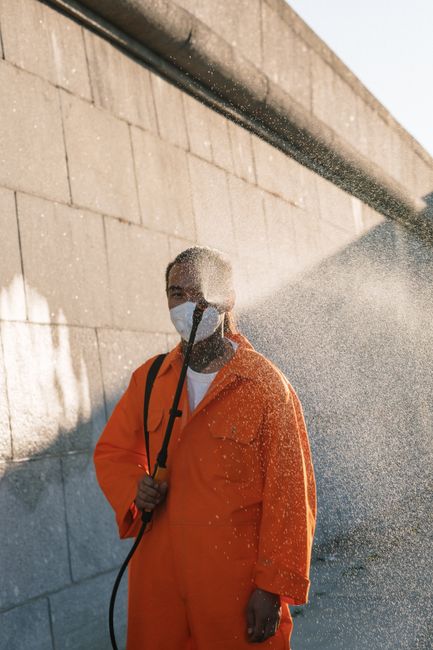
Permits for pressure washing in Kentish Town explained
If you are planning pressure washing in Kentish Town, the permit question can feel oddly complicated for something that seems so simple. You want a clean driveway, patio, forecourt, or commercial frontage. Maybe you have a time slot, a bit of grime building up, and a pressure washer ready to go. Then the real-world questions start: do you need permission, who decides, what happens if water runs into the road, and what if you are working outside a shop or on a shared pavement?
This guide breaks down Permits for pressure washing in Kentish Town explained in plain English. You will get a practical view of when permissions may be needed, what usually triggers extra checks, how to reduce the risk of complaints or enforcement issues, and how to plan the job properly. To be fair, the rules are rarely about the machine itself. They are usually about where the water goes, how people pass, and whether the work affects the street or nearby property.
Contents
- Why permits matter in Kentish Town
- How the permit process usually works
- Key benefits and practical advantages
- Who this is for and when it makes sense
- Step-by-step guidance
- Expert tips for better results
- Common mistakes to avoid
- Tools, resources and recommendations
- Law, compliance, standards and best practice
- Options, methods, and comparison table
- Case study or real-world example
- Practical checklist
- Conclusion
- Frequently asked questions
Why permits for pressure washing in Kentish Town explained matters
Pressure washing is one of those jobs that looks straightforward until it is happening on a public footway, at a building entrance, or near parked cars. In Kentish Town, that matters because the area mixes busy residential streets, shops, shared access points, and lots of daily foot traffic. A small job can become disruptive quickly if water, debris, or cleaning chemicals drift where they should not.
In practical terms, permits or permissions are about managing impact. If the work stays fully within private property, there may be no permit issue at all. But once you move onto a pavement, road edge, communal area, or any space affecting the public realm, different rules may apply. Sometimes it is a formal permit, sometimes it is a landlord or managing agent approval, and sometimes it is simply a sensible requirement to notify people and control the job properly.
It also matters because a pressure washer can create hidden problems. Splashback can soak passers-by. Dirty runoff can stain a kerb. Loose grit can end up blocking a drain. And if the surface is old, the wrong nozzle or too much pressure can strip sand joints, damage pointing, or lift coatings. Not dramatic, usually, but annoying enough to cost time and money later.
Expert summary: if the work touches public space, shared access, drainage, or customer-facing frontage, check permissions before you start. Most headaches come from skipping that step, not from the washing itself.
If your project is part of a wider cleaning job, it can help to think about the rest of the property too. For example, a pressure washing visit might be booked alongside carpet cleaning, upholstery cleaning, or sofa cleaning, and that changes how you plan access, timing, and customer disruption. A tidy schedule is half the battle.
How permits for pressure washing in Kentish Town explained works
The exact process depends on the location and the nature of the job, but the logic is usually the same. First, identify whether the work is on private land or in a space that affects the public. Then work out whether the job could create hazards such as slip risks, blocked drainage, noise, overspray, or obstruction. If the answer is yes, you may need approval, or at least a formal method statement from the contractor.
For a homeowner washing a private patio inside the boundary, the process may be simple. For a business cleaning shopfront paving, a forecourt, or a shared commercial entrance, the process can get a bit more involved. A managing agent, freeholder, landlord, or local authority may want details about timing, barriers, water containment, and how you will protect pedestrians. That is the bit people miss. The paperwork is not there for fun, frustrating as it can feel on a rainy Tuesday morning.
In many cases, the most important questions are these:
- Will the washing affect a pavement, road, or public access route?
- Will water or debris run into drains or neighbouring property?
- Could the work cause a slip hazard or obstruct pedestrians?
- Is the property leasehold, shared, or managed by a third party?
- Are there noise or time restrictions to consider?
If you are unsure, start with the property ownership question. That alone often determines whether you need a permit, a landlord sign-off, or no formal permission at all. A small terrace back garden is very different from a pavement-facing entrance with customers coming and going every few minutes.
Key benefits and practical advantages
Getting permissions sorted before pressure washing may not feel exciting, but it pays off in a few concrete ways. You save time by avoiding last-minute cancellations. You reduce the risk of being challenged by neighbours, residents, or passers-by. And you protect the surface from avoidable damage by planning the job properly rather than rushing into it.
There is also a reputation angle. For commercial properties in Kentish Town, a neat, well-managed wash can make a front entrance look brighter and more welcoming. A messy, over-wet, half-finished clean can do the opposite. People notice. Sometimes they do not say anything, but they notice.
Some practical advantages include:
- Safer access: barriers, signs, and timing plans reduce slip risk.
- Better finish: the right pressure and cleaning sequence protect the surface.
- Fewer disputes: permissions help prevent complaints from neighbours or building managers.
- Less downtime: organised work means entrances reopen faster.
- Cleaner runoff control: responsible planning helps keep water where it belongs.
For larger or repeated jobs, a proper compliance plan can also make budgeting easier. When you know in advance whether access needs arranging or extra measures are required, quotes are more realistic. If you want to understand how jobs are priced and scoped, the site's pricing and quotes page is a useful place to start.
Who this is for and when it makes sense
Not every pressure washing job in Kentish Town needs formal permission, but several types of people should pay close attention. Homeowners with private patios or driveways may only need to think about neighbours and drainage. Tenants, leaseholders, and flat owners often need approval from a landlord or managing agent. Business owners may need to check building rules, customer access, and any requirement to protect the pavement outside the premises.
This topic matters most if you are:
- a homeowner washing a front path near the public pavement
- a tenant or leaseholder using shared outdoor areas
- a shop, cafe, or office cleaning a frontage before trading hours
- a facilities manager responsible for communal hard surfaces
- a contractor booked to carry out exterior cleaning for a client
It also makes sense whenever the job feels even slightly borderline. That is the honest answer. If you are thinking, "I probably should check this," then you probably should. The cost of a quick check is tiny compared with the hassle of having to stop mid-job because a neighbour, resident, or building manager objects.
A useful rule of thumb: the more the work touches shared space, the more formal you should be. Private, enclosed, and low-impact is one thing. Public-facing, high-traffic, or lease-controlled is another.
And yes, if the surface is delicate, permission is only part of the story. Technique matters just as much. If you are cleaning upholstery, rugs, or soft furnishings indoors as part of a bigger clean, you may want to look at related services such as rug cleaning, steam carpet cleaning, or pet stain odour removal to plan the work in one go.
Step-by-step guidance
If you want the clean to go smoothly, follow a simple process. Nothing fancy. Just organised.
- Identify the exact location. Is the pressure washing fully within private property, or does it affect a pavement, shared court, driveway entrance, or frontage?
- Check who controls the space. The owner, landlord, managing agent, tenant, or freeholder may all have a say depending on the property type.
- Assess public impact. Consider pedestrians, parked vehicles, nearby doors, drains, noise, and slip risk.
- Ask whether permission is needed. This may be a permit, a landlord consent, or written approval from a building manager.
- Plan containment. Think about runoff, barriers, warning signs, mats, and how you will keep the area safe while wet.
- Set a suitable time. Avoid busy footfall periods if the frontage is public-facing. Early starts can be fine; lunchtime outside a busy parade usually is not.
- Confirm the method. Use the right pressure setting, the right detergent if any, and the right nozzle for the surface.
- Document the job. A quick note, email, or message trail can save a lot of back-and-forth later.
A small but useful point: take photos before you start. Not glamorous, I know. But if there is a dispute about pre-existing stains, broken paving, or water escape, a few clear photos can make life much easier.
If you are booking a professional cleaner, ask how they handle access, insurance, and safety. A sensible operator should be able to explain the process without waffling. You can also review the business's insurance and safety information and its health and safety policy before work starts. That is not being difficult; it is being sensible.
Expert tips for better results
Here is where the job gets easier, and safer too. The biggest improvement usually comes from preparation, not brute force. A pressure washer with too much power can make a surface look clean for five minutes and then leave stripes, loosened grit, or patchy marks. That feels like a win until you step back in daylight. Then, well, not so much.
Some practical tips from real-world work:
- Start low and test first. Always test the least aggressive setting on a small hidden area.
- Control runoff. Use drainage-aware planning and keep dirty water away from doors and shared routes.
- Work from the safest direction. Avoid pushing water toward people, vehicle wheels, or internal thresholds.
- Use signage if anyone could pass by. A simple warning can prevent an awkward slip incident.
- Choose the right day. Wind can send spray where you do not want it, especially around open-fronted properties.
- Match the method to the surface. Brick, paving, render, composite decking, and stone all behave differently.
Sometimes the smart move is not pressure washing at all, or not pressure washing the whole area. Spot-cleaning or a softer exterior clean may be better for sensitive surfaces. That is not a compromise; it is often the professional choice.
For businesses and landlords trying to keep shared spaces looking decent, a scheduled clean can be more effective than reactive deep cleaning. If the interior also needs attention, pairing exterior work with commercial carpet cleaning or stain removal can make the whole property feel properly looked after.
Common mistakes to avoid
The same mistakes come up again and again. Honestly, they are all avoidable.
- Assuming private property means no rules. If water affects public space or shared access, rules can still apply.
- Forgetting lease or management approval. A landlord may not care about the cleaning itself, but they may care a lot about water on common paths.
- Ignoring runoff. Dirty water into drains, thresholds, or neighbouring entrances is a classic complaint trigger.
- Using too much pressure. It can damage surfaces and create extra work rather than less.
- Working at the wrong time. Busy periods around school runs, shop openings, or commuter rush can make even a small job disruptive.
- Skipping communication. A short notice to neighbours or building users can prevent a surprising amount of friction.
One easy-to-miss mistake is assuming the surface will dry quickly enough on its own. On shaded Kentish Town streets, especially between buildings, moisture can hang around longer than you expect. That means more slip risk than the forecast might suggest.
Another one: not checking the fine print on a property's cleaning or maintenance rules. Sometimes the issue is not the washer, but the aftermath. Mud, detergent traces, and blocked gullies are the kinds of things that turn a routine clean into a complaint. Not ideal.
Tools, resources and recommendations
You do not need a mountain of kit, but a thoughtful setup helps. The right tools reduce the chance of needing repeat visits or emergency fixes.
| Item | Why it helps | Best used for |
|---|---|---|
| Pressure washer with adjustable settings | Lets you lower pressure on delicate surfaces | Patios, paving, walls, hard landscaping |
| Surface cleaner attachment | Gives a more even finish and reduces spray | Flat areas where consistency matters |
| Warning signs or barriers | Helps prevent slips and keeps people away from wet areas | Busy entrances, public-facing frontages |
| Drain guards or runoff control aids | Helps manage dirty water and debris | Areas near gullies or drains |
| Soft brushes and pre-treatment | Reduces the need for aggressive pressure | Stubborn marks, algae, light staining |
For service planning, it also helps to know the company's wider support pages. If you want a quick sense of who is behind the work, about us gives context on the business. If you are comparing practical arrangements or need to clarify something before booking, the contact us page is the straightforward route. And if you like to understand how booking terms are handled, read the terms and conditions before confirming anything.
There is also a sustainability angle worth keeping in mind. Responsible cleaning is not only about what you remove, but what you leave behind. The site's recycling and sustainability information can be helpful if you are trying to keep a maintenance plan more environmentally thoughtful. Sometimes the small decisions matter most.
Law, compliance, standards and best practice
This is the section where a careful tone matters most. In the UK, pressure washing can touch several types of obligations depending on the location, scale, and impact of the work. That may include property permissions, lease terms, site rules, public access safety, and duties around avoiding nuisance or hazard. It is not sensible to assume one universal permit rule fits every Kentish Town property, because it simply does not.
Best practice usually means:
- confirming property ownership and access rights
- checking whether the work affects public pavements or roads
- keeping people safe from slips, spray, and debris
- controlling runoff so it does not cause pollution or nuisance
- using equipment appropriately for the surface
- keeping records of permission where needed
If a project is commercial, the expectations often rise. Shops, offices, and managed buildings tend to have more formal rules on timing and public safety. That is normal. The good news is that proper planning usually avoids most issues before they begin. A cleaner who understands risk will talk about preparation, access, containment, and communication just as much as the wash itself.
So, if someone offers to "just blast it clean" with no mention of permissions, protection, or runoff control, that is a small warning sign. A pretty obvious one, really.
Options, methods, and comparison table
Not every exterior clean needs full pressure washing. In fact, sometimes a gentler method is the better answer. The right approach depends on the surface, the setting, and how much the job affects others.
| Method | Best for | Pros | Things to watch |
|---|---|---|---|
| High-pressure washing | Robust paving, some stone and hard exterior surfaces | Fast, effective on heavy grime | Can damage softer or older materials |
| Low-pressure rinse with pre-treatment | More delicate surfaces or light soiling | Safer, less aggressive | May need more dwell time or repeat work |
| Surface cleaner attachment | Flat outdoor areas | More even finish, less splash | Not ideal for every edge or vertical surface |
| Manual scrubbing | Small patches, steps, detailed spots | Very controlled | More labour-intensive |
For many Kentish Town properties, the decision is less about "which machine?" and more about "which method causes the least disruption while doing the job properly?" That is the mature question. It saves money too, in many cases.
If the work is indoors rather than outside, or if you are cleaning surfaces that need a completely different approach, it may be smarter to use specialist services such as mattress cleaning or curtain cleaning instead of trying to force one solution across the whole property. Different materials, different outcomes.
Case study or real-world example
A small shopfront on a busy Kentish Town street needs the paving outside its entrance cleaned before a weekend promotion. The owner wants it done early, before customers arrive. Straightforward enough. But the entrance opens onto a shared pavement, there are planters near the threshold, and delivery drivers often pull up nearby. So the job needs more than just a washer and good intentions.
In a realistic setup, the cleaner checks whether the frontage is part of the shop's leased area or a shared public edge. The shop manager confirms trading hours and agrees an early slot. Barriers are placed to warn pedestrians. The cleaner pre-treats the worst patches, uses a lower setting around the threshold, and keeps runoff away from the doorway and drain. The work is done quickly, with a much cleaner finish and no awkward confrontation with passers-by.
What made it work? Not brute force. Planning.
And that is usually the difference between a tidy result and a stressful one. There was a moment, midway through, when a delivery van slowed down and the team had to pause for thirty seconds. Small thing. But that pause saved the whole front from becoming a slippery mess. Real life, basically.
For a different kind of customer-say, a landlord with recurring end-of-tenancy or communal cleaning issues-the process might be linked to broader maintenance. That could include steam carpet cleaning inside, or upholstery cleaning for furnishings that pick up dust and marks over time. A coordinated plan tends to look better and run smoother.
Practical checklist
Use this checklist before you book or start the job. Simple, but useful.
- Have I confirmed whether the area is private, shared, or public-facing?
- Do I know who must approve the work?
- Have I checked whether a permit, consent, or notice is needed?
- Have I considered pedestrians, neighbours, and access routes?
- Is the chosen cleaning method suitable for the surface?
- Have I planned for runoff, drainage, and slip prevention?
- Do I need barriers, warning signs, or timing adjustments?
- Have I taken before photos or documented existing conditions?
- Do I understand the provider's insurance, safety, and terms?
- Do I have a clear point of contact if anything changes on the day?
If you can tick those off, you are in good shape. Not perfect, maybe, but definitely prepared. And prepared is what you want.
Conclusion
Permits for pressure washing in Kentish Town explained really comes down to one idea: know where the work sits, who it affects, and what responsibilities come with it. On private enclosed surfaces, the answer may be simple. On shared, public-facing, or lease-controlled spaces, a little more care is needed. That care is not red tape for its own sake. It is what keeps the job clean, safe, and drama-free.
When you plan the access, check the permissions, manage the runoff, and choose the right method, pressure washing becomes a lot less stressful. You get a better result, neighbours stay happier, and you avoid those irritating little problems that take more time than the clean itself. Truth be told, that is the whole point.
Get a free quote today and see how much you can save.
If you are still weighing up the right approach, start with the basics, ask the awkward question early, and take the time to do the job properly. It usually pays off. And in Kentish Town, where spaces are busy and details matter, that extra bit of thought goes a long way.
Frequently Asked Questions
Do I need a permit for pressure washing my private patio in Kentish Town?
Usually not if the patio is fully private, enclosed, and the work does not affect public space or shared access. Even then, you should still consider drainage, runoff, and whether nearby neighbours might be affected.
When does pressure washing become a permit issue?
It becomes more likely when the work touches a pavement, road edge, shared entrance, communal area, or anything that could affect the public. Leasehold or managed buildings can also introduce extra approval requirements.
Who gives permission if I live in a flat or leasehold property?
That depends on the building setup, but it is often the landlord, freeholder, managing agent, or residents' management company. If in doubt, check your lease or building rules before booking the work.
Can pressure washing runoff cause a problem?
Yes. Dirty water can create slip risks, stain surfaces, or cause nuisance if it runs into the wrong area. Good planning should always include runoff control and safe drying time.
Is pressure washing outside a shop allowed without permission?
Not always. Even if the frontage looks like your space, the pavement or access route may be public or shared. It is wise to confirm the status of the area before starting.
What should a professional pressure washing contractor provide?
They should be able to explain their method, timing, safety controls, insurance, and any access needs. If the work is in a tricky location, they should also help you understand whether permission is needed.
How can I avoid complaints from neighbours?
Keep noise and overspray down, choose a sensible time, use warning signs, and make sure the area is left safe and tidy. A short heads-up can help more than people expect.
Does the surface material change whether permission is needed?
The material itself usually affects the cleaning method more than the permission rule. But if the surface is old, fragile, or easily damaged, the risk level rises and you should be even more careful about planning and approvals.
Can pressure washing damage paving or brickwork?
Yes, if the pressure is too high or the technique is wrong. Older pointing, soft brick, sand joints, and some coatings can all be damaged by aggressive cleaning. Start gently and test first.
What if I just want a quick one-off clean before an event?
That is exactly when you should plan carefully. A rushed one-off can cause more disruption than a regular maintenance clean if you skip the permission or safety checks.
Is it better to hire a professional for pressure washing in Kentish Town?
For anything public-facing, shared, or commercially sensitive, yes, usually. A professional is more likely to understand permissions, access control, and surface-safe methods, which saves time and reduces risk.
What is the safest next step if I am unsure?
Confirm who controls the space, ask whether approval is needed, and get the job scope clear before any equipment is used. If the project feels borderline, treat it as a permissions-first job rather than a fast-clean job.