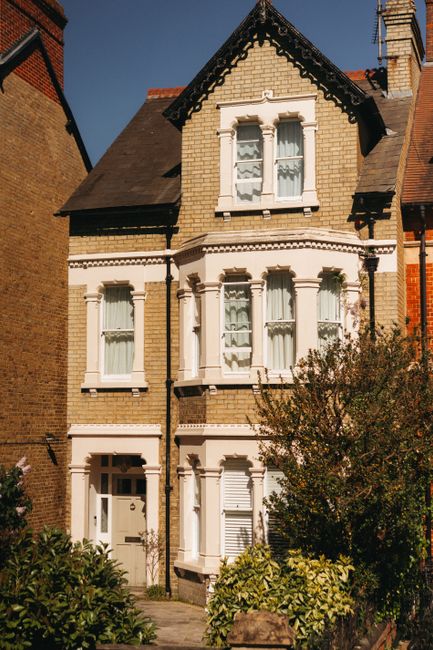
When Victorian flat features limit cleaning options in Kentish Town
Victorian flats have a lot going for them: tall ceilings, original cornices, sash windows, old timber floors, and that slightly grand feel you only really get in a period property. But the charm can also create awkward cleaning problems. If you live in Kentish Town, you may already know the pattern: narrow staircases, tight hallways, delicate materials, and rooms that seem to resist every standard cleaning method. When Victorian flat features limit cleaning options in Kentish Town, the trick is not to force a modern approach into an old building. It is to work with the property, not against it.
This guide explains what makes these flats tricky, which cleaning methods usually work best, where the risks sit, and how to make sensible choices without damaging original features. It is practical, local, and written for real homes, not showrooms.
Table of Contents
- Why Victorian flat features matter
- How the limitations shape cleaning choices
- Key benefits of the right approach
- Who this is for and when it makes sense
- Step-by-step guidance
- Expert tips for better results
- Common mistakes to avoid
- Tools, resources and recommendations
- Law, compliance, standards and best practice
- Options and comparison table
- Case study or real-world example
- Practical checklist
- Conclusion
- Frequently asked questions
Why Victorian flat features matter
The issue is not just aesthetics. Victorian properties often combine beautiful design details with practical constraints that affect cleaning from the ground up. In Kentish Town, that might mean a first-floor flat with steep communal stairs, original floorboards that creak if you move too much equipment, or sash windows that make ventilation awkward during a deep clean. One flat can be lovely to live in and still be a bit of a headache to clean properly.
Common features that limit cleaning options include narrow access, old soft furnishings, ageing carpets, decorative plasterwork, older adhesives, and surfaces that react badly to excess moisture. Even when a room looks simple, the building itself may not be. A heavy-duty machine might fit through the front door, but that does not mean it should be dragged up three flights of stairs. To be fair, Victorian flats were not designed with extraction equipment in mind.
Why does this matter? Because using the wrong method can do more than fail to clean. It can leave moisture trapped in old materials, loosen paint, mark timber, or worsen pre-existing wear. That is especially relevant in a busy London area where flats may already have years of layered use, pet traffic, and patchwork repairs.
If you are dealing with carpets, sofas, rugs, curtains, or mattresses in a period flat, it helps to understand the limits before you start. For a deeper look at one of the most common challenges, see carpet cleaning options that are more suitable for delicate or access-restricted homes.
Expert summary: In a Victorian flat, the safest cleaning plan is usually the one that respects access, moisture sensitivity, and the age of the materials rather than chasing the most aggressive clean.
How Victorian flat features limit cleaning options in Kentish Town works
In practical terms, the limitation comes from three overlapping factors: access, material sensitivity, and drying control. If any one of those is awkward, the cleaning job becomes more technical. If all three are difficult at once, the process needs real care.
1. Access shapes what can be brought in
Narrow staircases, tight turns, small landings, and awkward door widths can rule out bulky equipment or make it hard to transport safely. Even if a machine is technically portable, the route to the flat may be the real problem. In some buildings, the challenge is not the clean itself but simply getting the kit upstairs without bumping walls, rails, or banisters.
2. Older materials react differently
Victorian flats may have original wood floors, old underlays, horsehair plaster, older skirting, or period joins that do not tolerate the same level of water or agitation as newer homes. That means standard wet-cleaning can be risky in places where moisture might travel into seams, lift a finish, or create lingering dampness.
3. Ventilation can be poor
Many period flats are charming but not especially airy. If windows are sash style and only partially open, drying can take longer. That matters for carpets, upholstery, curtains, and rugs. The less airflow you have, the more important it is to manage moisture carefully and choose methods that dry quickly.
4. Layout affects workflow
Rooms in Victorian conversions are often compact in surprising ways. A hallway might be long and narrow, the living room might have a bay window with delicate trim, and the bedroom might have built-in features that restrict movement. That changes how you stage the work, where you start, and how much equipment can stay in the room at one time.
A sensible cleaner will usually inspect the property first, ask about recent repairs or leaks, and decide whether a low-moisture method, spot treatment, or a more traditional deep clean is the right fit. If upholstery is part of the job too, it is worth looking at upholstery cleaning as a separate consideration, because fabrics and padding behave very differently from hard flooring.
It sounds obvious, but it makes a huge difference: the best method is not the one that sounds strongest. It is the one that fits the building.
Key benefits and practical advantages
Once you stop trying to clean a Victorian flat like a modern boxy apartment, the benefits become pretty clear.
- Less risk of damage: Appropriate moisture levels reduce the chance of swelling, staining, or finish lift.
- Better drying times: Lower-moisture methods are often a better match for flats with limited airflow.
- Safer handling of old finishes: Original wood, trims, and fabrics are more likely to survive repeated cleans in good condition.
- Cleaner results in awkward areas: Careful planning helps reach corners, edges, and high-traffic paths that get overlooked.
- Less disruption: Smaller kit and better access planning make the clean easier for you and the cleaner.
There is also a peace-of-mind benefit that people do not talk about enough. Once you know the property has been assessed properly, you stop worrying every time the machine starts up. That matters when you live in an old building and can hear every footstep through the floorboards anyway.
For homes with strong pet odours, muddy traffic, or deeper fabric contamination, specialist services can be more effective than a one-size-fits-all approach. In those cases, pet stain and odour removal may be the more realistic route than trying to mask the problem with a standard surface clean.
Who this is for and when it makes sense
This topic matters if you live in, manage, or rent a Victorian flat in Kentish Town and have already noticed that standard cleaning advice does not really fit. It is especially relevant if any of the following sound familiar:
- your stairs or hallway are too tight for bulky equipment
- your carpets take a long time to dry
- your flat has original woodwork or delicate finishes
- you have a mix of old and newer materials in one space
- you need regular cleaning but cannot tolerate much disruption
- you are dealing with stains, smells, dust, or allergens in older fabrics
It also makes sense for landlords, letting agents, and small business operators working from converted Victorian buildings. Commercial spaces in period properties can be especially awkward because they often need fast turnaround, low mess, and minimal downtime. If that sounds like your situation, commercial carpet cleaning may be more relevant than a generic domestic clean.
And truth be told, some jobs are simply not urgent until suddenly they are. A light clean can wait. A coffee stain on an old wool rug, or a damp smell after a leak, usually cannot.
Step-by-step guidance
Here is a practical way to plan cleaning in a Victorian flat when features are limiting your options.
- Identify the problem surface. Is it carpet, rug, sofa, curtain, mattress, or upholstery? Different materials need different handling.
- Check access before booking. Measure stair width, note tight turns, and think about where equipment can be parked without blocking everyone.
- Look for moisture-sensitive areas. Old floors, loose seams, flaking paint, and areas near previous leaks deserve special caution.
- Choose the mildest effective method first. Spot treatment or low-moisture cleaning is often enough for light soil or isolated marks.
- Test discreetly. Any cleaner worth using should be cautious on a hidden section before going full steam ahead. Literally, sometimes not steam.
- Plan drying time. Open windows if safe and practical, keep airflow moving, and avoid putting heavy furniture back too early.
- Review the result and the edges. Corners, skirtings, and the first metre of a hallway often tell the real story.
If your main concern is flooring, a more controlled method may help. steam carpet cleaning can be effective in some situations, but in older flats it should be used with judgement rather than as a default. The key question is not "Can it clean?" but "Can this room tolerate it?"
That little pause before choosing a method saves a lot of grief later.
Expert tips for better results
Small decisions matter in old buildings. In our experience, the best results come from steady, boring discipline rather than dramatic effort. Not glamorous, but reliable.
- Vacuum slowly and thoroughly first. Loose grit can act like sandpaper on older carpets and textiles.
- Use the least water that will do the job. More water does not automatically mean cleaner results.
- Work from the outside of stains inward. This helps stop marks from spreading.
- Treat airflow as part of the clean. A fan or open window can matter as much as the chemical choice.
- Protect edges and trims. Old skirting and painted detail can mark easily.
- Ask about fabric composition. Wool, silk blends, viscose, and antique textiles all behave differently.
If you have mixed furniture or decorative fabrics in a period flat, sofa cleaning and curtain cleaning may need to be scheduled separately. That is not overcautious. It is just sensible. One room can contain three or four different cleaning risks at once.
And yes, sometimes the best move is to leave a mark alone for a moment instead of attacking it immediately. That feels counterintuitive, but it can stop a small problem from becoming a larger one.
Common mistakes to avoid
When people try to work around Victorian property features without thinking through the consequences, the same mistakes come up again and again.
- Using too much moisture: This is the classic one. It can create long drying times and hidden damp.
- Ignoring the route in and out: A method that looks fine on paper may be impossible on a narrow staircase.
- Cleaning everything the same way: Carpets, rugs, and upholstery do not all need the same treatment.
- Forgetting hidden damage: Old repairs, loose threads, frayed seams, and weak underlay can fail under pressure.
- Over-relying on fragrance: A nice smell is not the same thing as a clean surface.
- Replacing furniture too soon: Pressing heavy items onto damp fibres can leave marks or slow drying even further.
Another common mistake is assuming a stain is just a surface issue. In older flats, stains sometimes sit next to previous water ingress, worn backing, or ageing adhesive. If you treat the visible mark but ignore the cause, it often returns. Annoying, really.
For stubborn marks that need more targeted treatment, stain removal may be a better match than a broad overall clean, especially if the rest of the item is already in decent condition.
Tools, resources and recommendations
You do not need an enormous toolkit, but the right categories of equipment make life easier.
| Cleaning need | Better-fit approach | Why it suits Victorian flats |
|---|---|---|
| Light carpet refresh | Low-moisture or controlled extraction | Reduces oversaturation and shortens drying time |
| Targeted stains | Spot treatment and careful agitation | Limits disturbance to the surrounding fibres |
| Upholstery | Fabric-specific cleaning with testing | Protects padding, dye stability, and delicate weaves |
| Rugs | Separate rug-specific cleaning | Many rugs need gentler handling than fitted carpet |
| Mattresses | Surface-focused hygiene clean | Minimises moisture in a material that dries slowly |
If your flat includes loose rugs or decorative pieces, rug cleaning is worth considering as a distinct service rather than bundling it in with the carpet work. Rugs often have edges, backings, or dyes that behave differently from fixed floor coverings.
For sleeping areas, mattress cleaning can also be a cleaner and safer option than trying to do something improvised at home with too much spray and a towel. A towel, by the way, is rarely a miracle tool. Convenient, yes. Miraculous, no.
Law, compliance, standards and best practice
Cleaning work in homes is not usually about complex legal thresholds, but there are still important standards and duties to keep in mind. In UK practice, professional cleaners are expected to work safely, protect property, and use methods that are appropriate for the materials and conditions present. That includes careful handling of electrical equipment, sensible use of chemicals, and attention to ventilation and slip risks.
For landlords and managing agents, there is also a practical duty to maintain common areas and avoid avoidable damage during maintenance work. If equipment is being moved through shared stairwells, it should be done carefully and without creating hazards for residents. That sounds basic, but you would be surprised how often basic gets missed.
Best practice in a Victorian flat generally includes:
- checking whether the item or area is suitable for wet cleaning
- testing products on a hidden area first
- protecting adjacent woodwork and walls
- keeping walkways clear
- drying thoroughly before replacing items
- using insured, responsible services where appropriate
If you are booking a cleaner, it is wise to review their safety and insurance details before the job starts. You can also read more about service expectations on the insurance and safety page, plus the practical guidance in the health and safety policy. Those pages are useful because they show how risk, responsibility, and housekeeping standards are handled before anything arrives at your door.
For people comparing service terms, the terms and conditions and pricing and quotes pages can help set expectations around what is included, what is not, and how complex jobs are assessed. That is especially helpful in older properties where the job may be straightforward one day and fiddly the next.
Options and comparison table
Choosing a method in a Victorian flat is often about balance. You want enough cleaning power to get results, but not so much moisture or agitation that you cause side effects. Here is a simple comparison.
| Method | Best for | Pros | Watch-outs in Victorian flats |
|---|---|---|---|
| Low-moisture cleaning | General maintenance, light soil | Fast drying, less risk to old materials | May need more careful stain pre-treatment |
| Steam or hot-water extraction | Heavier soiling on suitable carpets | Deep clean potential, strong soil removal | Over-wetting, drying delays, and access issues |
| Spot treatment | Isolated stains or marks | Targeted and economical | Not enough for whole-room build-up |
| Fabric-specific upholstery cleaning | Sofas, chairs, mixed textiles | Protects delicate finishes | Needs testing and material awareness |
| Dry or near-dry rug care | Loose rugs, fragile pieces | Safer for many older or decorative items | May not suit every fibre type |
The right answer depends on the room, the fabric, and the building. There is no prize for using the strongest method available. Actually, quite the opposite.
Case study or real-world example
Here is a realistic example from a typical Kentish Town Victorian conversion. A tenant had a first-floor flat with narrow stairs, an old hallway carpet, and a sofa that had picked up food marks and general traffic soil over the winter. The building had good character, high ceilings, and very little ventilation once the sash windows were only partly open. Lovely in spring. Less lovely after a week of damp weather.
The first instinct was to book a full heavy wet clean for everything. On inspection, though, that would have been too much. The hallway carpet was worn at the edges, the sofa fabric showed signs of age, and the room layout made moving large equipment awkward. The cleaner changed the plan: targeted stain treatment, careful vacuuming, controlled cleaning on the carpet, and separate upholstery care for the sofa. The rugs were handled independently rather than being treated as floorcovering leftovers.
The result was not dramatic in a flashy way, which is exactly the point. The flat looked brighter, the room smelled cleaner, and there was no lingering damp feeling the next morning. No soggy corners, no panic about the floorboards, no wobbling furniture on half-dry fibres. That is what good cleaning in an older property should feel like: calm, tidy, and a bit uneventful.
If the sofa in your own flat needs attention, sofa cleaning is often the most sensible route, especially when the fabric needs different handling from the carpet or rug nearby.
Practical checklist
Use this checklist before arranging a clean in a Victorian flat.
- Confirm the exact items or rooms that need cleaning.
- Measure stair access and note any tight corners.
- Check whether surfaces are old, sealed, delicate, or water-sensitive.
- Ask how the cleaner will protect walls, skirting, and flooring on the way in.
- Decide whether low-moisture, extraction, or spot treatment is most suitable.
- Ask how long drying should take in a flat with limited airflow.
- Remove loose items, fragile decor, and breakables first.
- Plan where furniture will go during and after the clean.
- Be realistic about stain age and fabric condition.
- Keep windows open where safe to help airflow afterwards.
Quick reminder: If the item is valuable, antique, or in visibly fragile condition, treat it as a specialist job. That small bit of caution can save a lot of money later.
Conclusion
When Victorian flat features limit cleaning options in Kentish Town, the best results usually come from restraint, planning, and a proper look at the property before anyone starts. Old staircases, delicate finishes, restricted airflow, and mixed-age materials do not mean a flat cannot be cleaned well. They just mean the method has to fit the building.
That is the real takeaway. Not every job needs the strongest clean. Many need the smartest one.
If you are dealing with carpets, upholstery, rugs, or stubborn stains in a period flat, choose the approach that protects the property as well as the result. That way the flat still feels like home afterwards, which is the whole point really.
Get a free quote today and see how much you can save.
Frequently Asked Questions
What makes Victorian flats harder to clean than newer flats?
Victorian flats often have narrow stairs, older materials, limited ventilation, and more delicate finishes. Those features can restrict equipment access and make moisture control more important.
Can I use steam cleaning in a Victorian flat?
Sometimes, yes, but only if the material and room can handle it. In older flats, steam or hot-water extraction should be used carefully because of drying time and moisture sensitivity.
Is low-moisture cleaning better for old properties?
Often it is. Low-moisture cleaning usually reduces the risk of over-wetting and can be a better match for older floors, fabrics, and rooms with poor airflow.
What should I check before booking a cleaner for my flat?
Check access, staircase width, surface types, ventilation, and whether you have any fragile or antique items. It also helps to ask what method will be used and how long drying should take.
Can Victorian floorboards be damaged by carpet cleaning?
Yes, if too much moisture gets into gaps or if the finish is weak. That is why careful method selection matters so much in older properties.
What is the safest way to clean a sofa in a Victorian conversion?
The safest way is usually a fabric-specific upholstery clean with prior testing, especially if the sofa is old, lightly worn, or made from mixed fibres.
How do I stop cleaning jobs from taking too long to dry?
Use less moisture, improve airflow where possible, and avoid replacing furniture too soon. Choosing the right method at the start is the biggest help.
Are rugs treated the same as fitted carpets?
No. Rugs often need separate care because of their backing, edges, dyes, and construction. Some are much more delicate than fitted carpet.
What if my flat has tight access and bulky equipment will not fit?
Then the cleaner may need smaller kit, a different method, or a more targeted job. Access is one of the main reasons cleaning options become limited in period flats.
Should I deep clean everything at once?
Not necessarily. In older flats, it is often smarter to separate carpet, upholstery, rug, and mattress work so each item gets the right treatment.
How do I know if a stain is too old to remove?
You usually cannot know for certain until it is inspected. Very old stains may improve a lot, improve a little, or remain partly visible depending on the fibre and previous cleaning attempts.
What is the best next step if I am unsure what my flat needs?
Start with a careful assessment of the surfaces and access, then choose the least aggressive effective method. If you need help deciding, a professional inspection is usually the safest next move.